
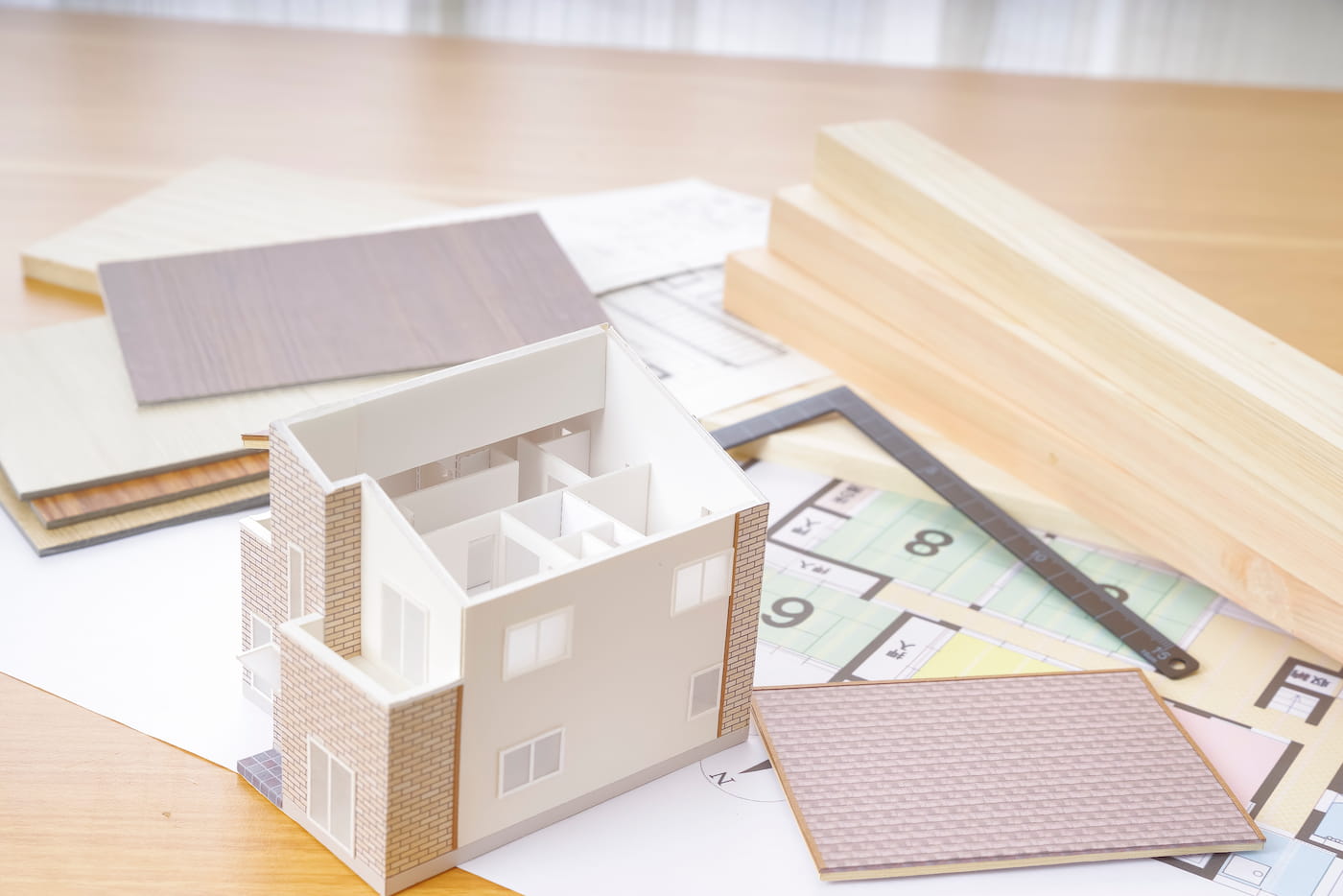
One of the biggest surprises homeowners experience after moving into a newly built home is discovering that their Wi-Fi does not work as well as they expected.
People naturally assume that because the home is brand new, the network was designed along with everything else. In our experience, that is rarely the case.
Most builders focus on construction, electrical work, plumbing, and finishing details. Networking is often treated as a product installation rather than a design discipline. The result is that homeowners move into a beautiful new home only to discover dead zones, dropped connections, buffering video streams, and unreliable video calls.
Wi-Fi Design Is Often Missing
The biggest issue we see is a lack of intentional Wi-Fi design for new construction homes.
Many homes are built with access points placed wherever it is convenient for installation, rather than where they will provide the best wireless coverage.
For example, we frequently see access points installed in closets near stairwells. In some cases, one access point is installed directly above another on the second floor. While this may seem logical during construction, those devices can end up interfering with one another while leaving other areas of the home underserved.
When Wi-Fi equipment is not placed strategically, some areas receive excessive coverage while other rooms struggle to maintain a reliable connection.
Too Many Access Points Can Be Just as Bad as Too Few
Many people assume that adding more Wi-Fi equipment automatically improves performance.
That is not always true.
If multiple access points are installed without proper planning, they can create interference and competition between devices. This can actually reduce network performance and create confusion for phones, laptops, tablets, and smart home devices.
On the other hand, too few access points can leave large sections of the home without adequate coverage.
The goal is not simply adding equipment. The goal is to design the network properly from the beginning.
The Importance of an Ethernet Backbone
One of the most overlooked aspects of residential networking is the value of an Ethernet backbone.
We often explain Wi-Fi as an on-ramp to the network. Once data enters the network through Wi-Fi, it performs best when it can travel over wired connections whenever possible.
Unfortunately, many new homes are built with little or no Ethernet infrastructure.
When access points communicate wirelessly with one another instead of through wired connections, network traffic remains in the air longer. Wireless communication is inherently less efficient than wired communication and becomes increasingly congested as more devices are added.
A properly designed wired infrastructure gives the network a stronger foundation and improves overall reliability.
Smart Homes Require Better Coverage Than Ever
Modern homes contain more connected devices than ever before.
Smart TVs, thermostats, lighting systems, appliances, cameras, voice assistants, and mobile devices all depend on reliable wireless connectivity.
Because these devices are distributed throughout the home, homeowners need consistent Wi-Fi coverage throughout the home rather than strong coverage in only a few rooms.
A weak signal in one corner of the house may affect a security camera. A coverage gap upstairs may disrupt video calls. Poor connectivity near a smart appliance can create reliability issues that homeowners struggle to diagnose.
As smart homes continue to grow, network design becomes increasingly important.
Builders Often Rely on the Wrong Specialists
Another challenge is that builders frequently rely on professionals whose expertise lies elsewhere.
We often see networking responsibilities assigned to electricians, security installers, home automation providers, or audio-video contractors.
These professionals may be highly skilled within their own specialties, but Wi-Fi design requires knowledge of signal propagation, channel planning, power management, device density, and network architecture.
Without that expertise, important design decisions may never be made.
Future-Proofing Matters
Network infrastructure should be designed with future needs in mind.
Many homes still receive outdated cabling or minimal network infrastructure that may not support future technology requirements.
A home’s network is becoming just as important as its electrical system. Making smart decisions during construction can help avoid expensive upgrades later.
The Real Solution Is Design
Most Wi-Fi problems in newly built homes are not caused by internet speed.
They are usually caused by a lack of planning.
When networking is treated as a design discipline instead of a product purchase, homeowners experience better coverage, stronger reliability, and a network that supports the way they actually live.
That is why we believe every new home should start with professional Wi-Fi design rather than waiting until problems appear after move-in day.
If you’re building a new home, take time to think about how your network will support your devices, streaming services, video calls, and smart home technology. Planning your Wi-Fi infrastructure before construction is complete is often much easier than correcting problems later.